
Scientists Nearly Passed on This Mars Rock—Then It Turned Out to Be 4.1 Billion Years Old
Teghaza 001 looked like a routine Mars meteorite. Then scientists found a 4.1-billion-year-old crust sample altered by ancient Martian water.
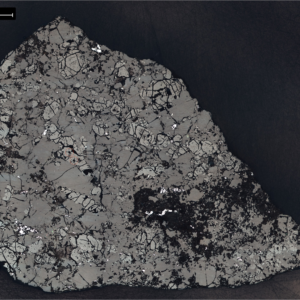
Teghaza 001 looked like a routine Mars meteorite. Then scientists found a 4.1-billion-year-old crust sample altered by ancient Martian water.
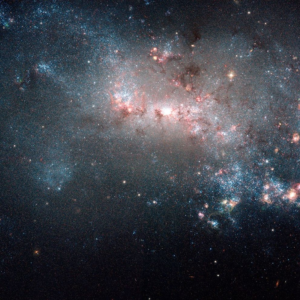
A census of 37 dwarf galaxies found that most of the oxygen their stars produced is missing. The mystery is how far it traveled.
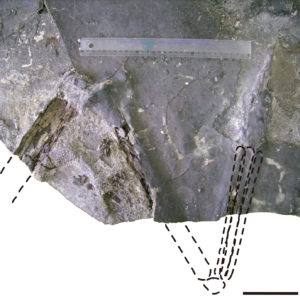
Chemical traces in an Aratasaurus fossil point toward ancient blood, but experts disagree about whether the tiny structures are red blood cells.
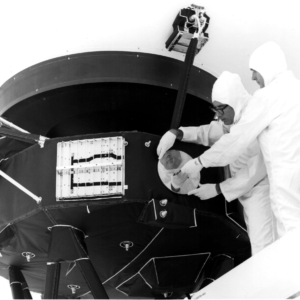
NASA is investigating Voyager 1’s October communications pause as the spacecraft approaches one light-day from Earth on November 18.
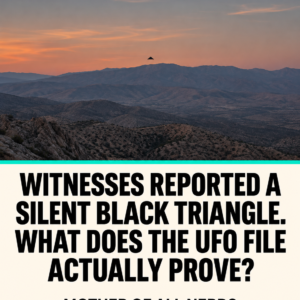
A government debrief records a striking black-triangle sighting. Its caveats, missing measurements and a new reporting correction deserve equal attention.
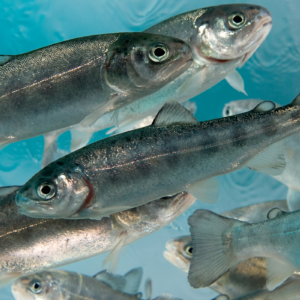
Tiny trout can need protection before ordinary injections are practical. A silk microneedle design tackles the underwater delivery problem—but farm-scale use still needs work.
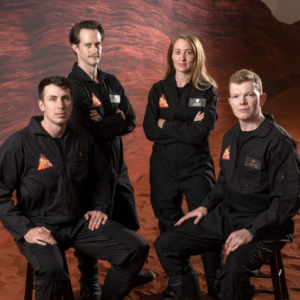
Four volunteers emerged from NASA’s Mars simulation after 378 days of delayed messages and isolation. They even formed a band—and their work is not finished.
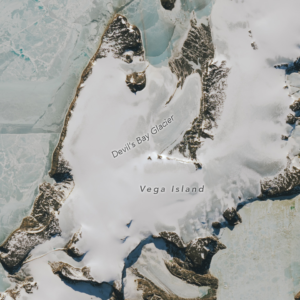
NASA’s Landsat 9 photographed a skull-like face on Antarctica’s Vega Island. The eye, mouth and jaw are real landscape features—and the changing ice matters.
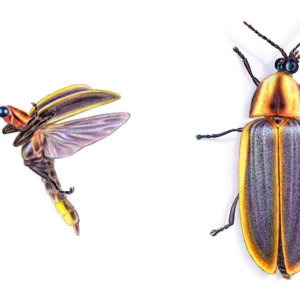
A firefly missing from the scientific record since 1983 was rediscovered in Virginia and Delaware by the rapid amber flash sequence that sets it apart.
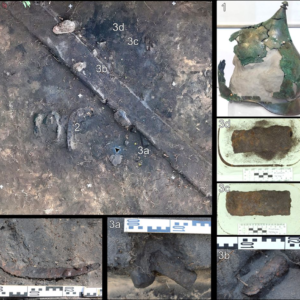
A deliberately crushed Celtic bronze helmet found with tools in a Polish ritual pit may reveal something larger: southern traders—or people—at a Baltic amber hub.