
Stephen Colbert’s Trapdoor Spider Has a Genome Bigger Than Ours—and 77% Is Repetition
A quarter-sized trapdoor spider named for Stephen Colbert has an estimated 4.6-billion-base-pair genome. The surprise is what fills it—and why that matters.
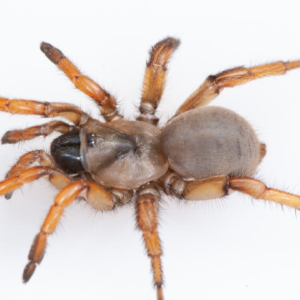
A quarter-sized trapdoor spider named for Stephen Colbert has an estimated 4.6-billion-base-pair genome. The surprise is what fills it—and why that matters.
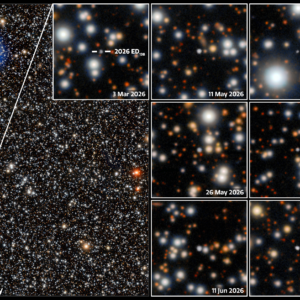
Rubin Observatory found 2026 ED138 beyond Pluto—and then traced the possible dwarf planet through ten years of images where nobody knew to look.
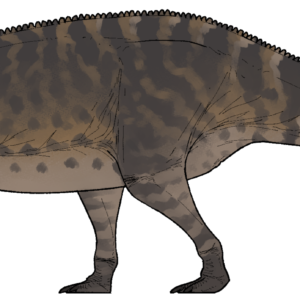
A Surrey dinosaur found 25 years ago is now a new genus named for quarry manager Will Proudlove, who died shortly before its excavation.

A Sheffield technician and a glass artist have recreated the Lycurgus Cup’s green-to-red transformation in a new sculpture. The real breakthrough is more precise than the headlines.
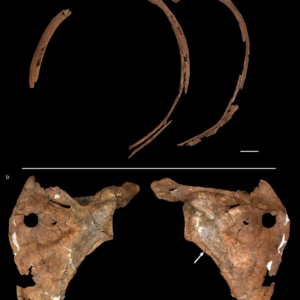
A round hole suggests a fatal penetrating injury. A split tooth records something different: survival after earlier harm. The evidence from Shanidar Cave supports a complex story, not a solved murder.
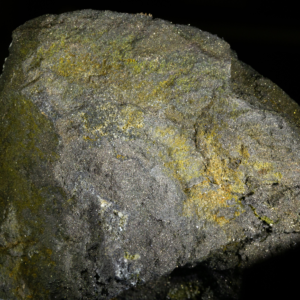
Two rocks recovered from the deep Pacific heated and smoked during laboratory preparation. The surprise was not hidden petroleum: a changed mineral structure offered the stronger explanation.
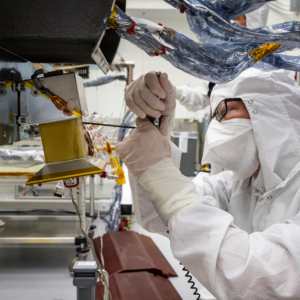
NASA’s Dragonfly has completed its most comprehensive simulated flight yet, rehearsing the autonomous decisions it will need to reach Titan’s surface safely.
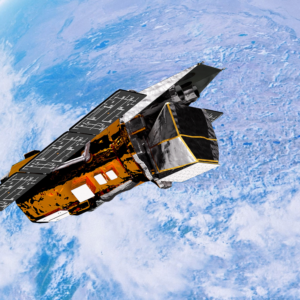
NASA’s Neil Gehrels Swift Observatory has ended its nearly 22-year mission, leaving behind a vast public archive and a rapid-response model that reshaped astronomy.

NASA is keeping SpaceX and Blue Origin in contention for its first Artemis Moon landing. Their two flight plans could not be more different.

Catherine Breed completed a nearly 900-mile staged swim down California on October 19. Sewage pollution near the border shaped her offshore finish.