
This Whale’s Skull Looked Crushed. It Had Actually Grown That Way.
A newly described fossil whale looked as though its skull had been twisted after death. Researchers found an extraordinary living adaptation instead.
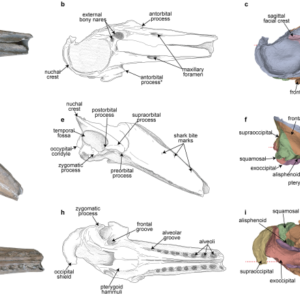
A newly described fossil whale looked as though its skull had been twisted after death. Researchers found an extraordinary living adaptation instead.
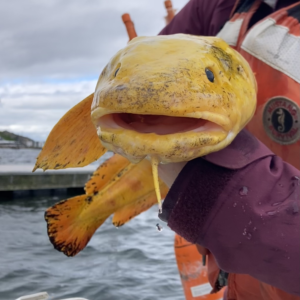
A Great Lakes survey caught its first documented Oswego Harbor burbot—and the native fish was bright yellow from an exceptionally rare pigment condition.
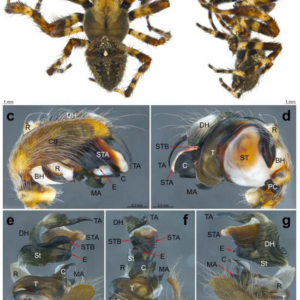
The first animal named under modern zoological rules lost its original reference specimens. Drawings, anatomy, and DNA helped scientists choose a Swedish spider to anchor the name again.
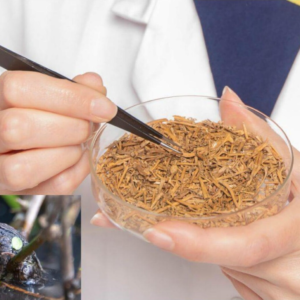
A 1,700-year-old frog graveyard near Cambridge puzzled archaeologists for a decade. Bone damage, frog ages, and landscape clues point to an owl feast.
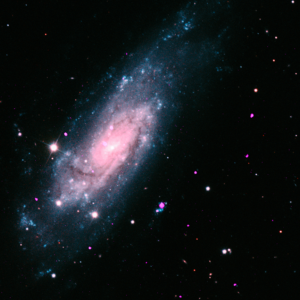
AT 2016blu keeps flaring on a roughly 113-day cycle. A carefully timed Chandra observation points to a black hole or neutron star taking material from it.

Caltech’s ASTRA robot assembled a third truss bay in orbit without astronauts. The partial success—and the unfinished antenna—shows what in-space construction can and cannot do yet.
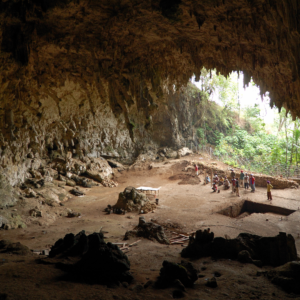
A partial leg bone from Liang Bua, the cave famous for Homo floresiensis, identifies the largest known Megapodius—and leaves flight and extinction unsolved.
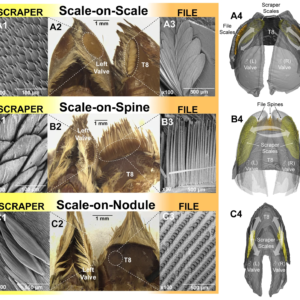
A study of 143 hawkmoth species reveals three different genital scraping systems that produce anti-bat ultrasound—and shows evolution built them repeatedly.
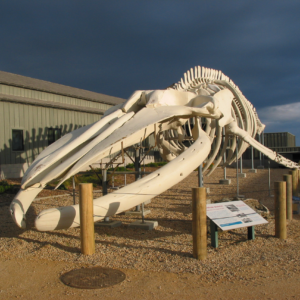
Ms. Blue, an 87-foot whale skeleton, is back after restorers used shellfish-inspired bone putty, recycled-material 3D prints and a redesigned mount.

A micro-CT scan exposed the hidden notches inside a brass combination lock from the 1583 Ann Francis wreck, revealing the four-letter code ANCE.