



-
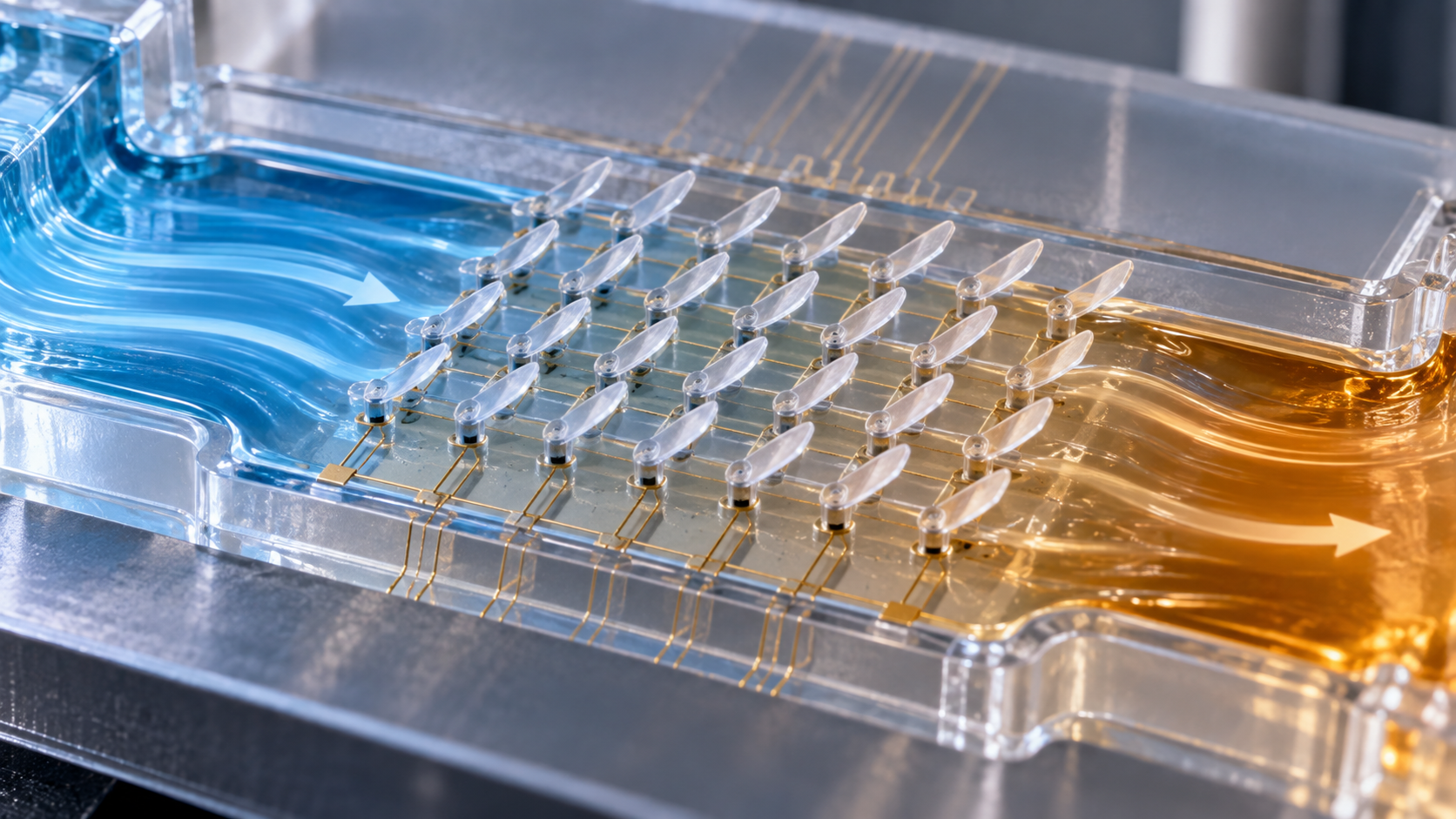
Cornell’s Microscopic Robots Sense Heat, Then Team Up Like Fireflies to Move Liquid
Cornell researchers built a microscopic array that senses temperature and synchronizes 54 artificial cilia to pump liquid. The machines respond together instead of simply moving on command.
-
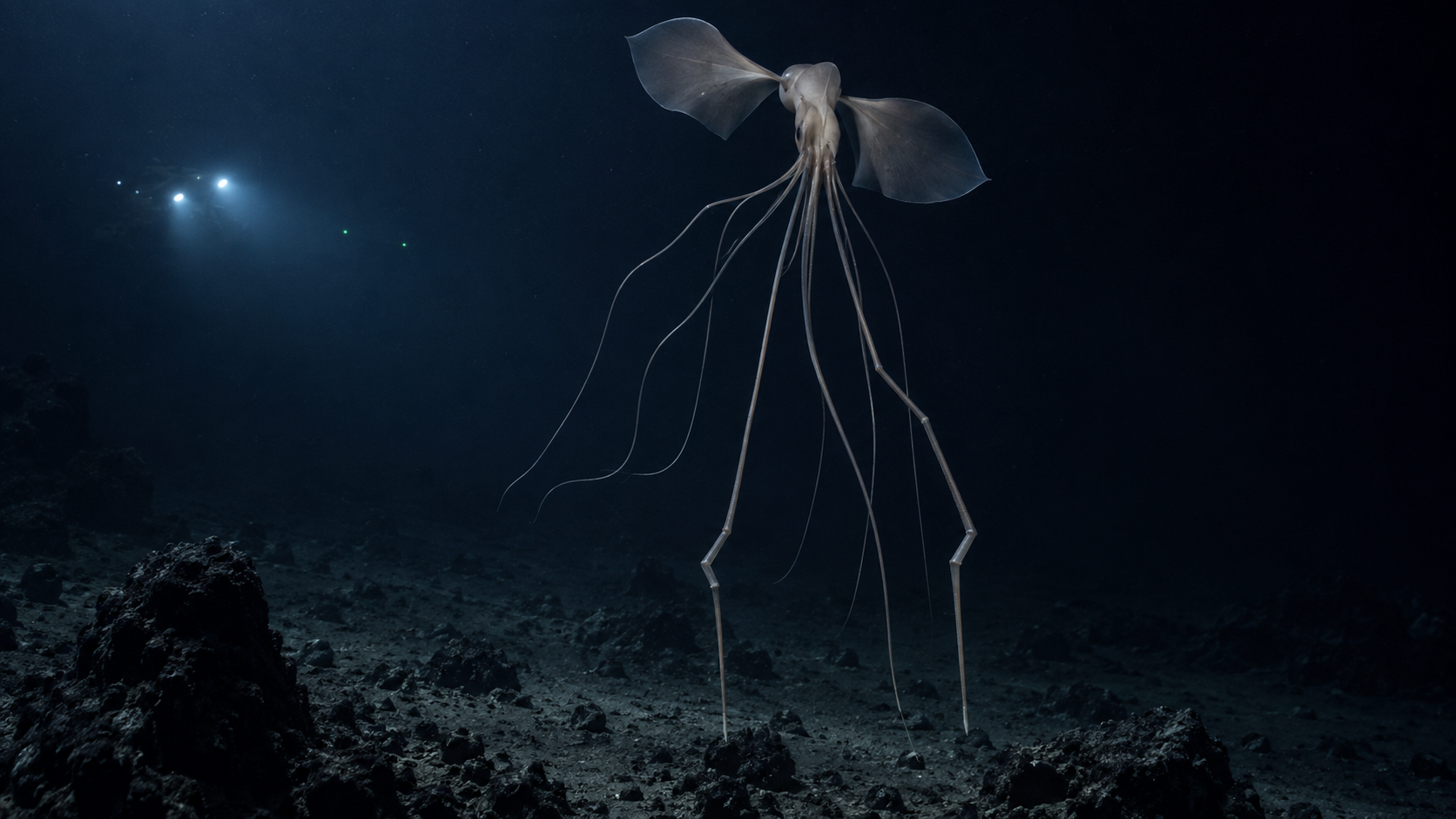
A Bigfin Squid Appeared Two Miles Down—and Its Elbow-Like Arms Gave It Away
At 3,277 meters below the Pacific, an MBARI ROV caught a rare bigfin squid drifting into view. Its strange bent arms helped researchers identify it—and the institute’s original footage lets you see the encounter.
-
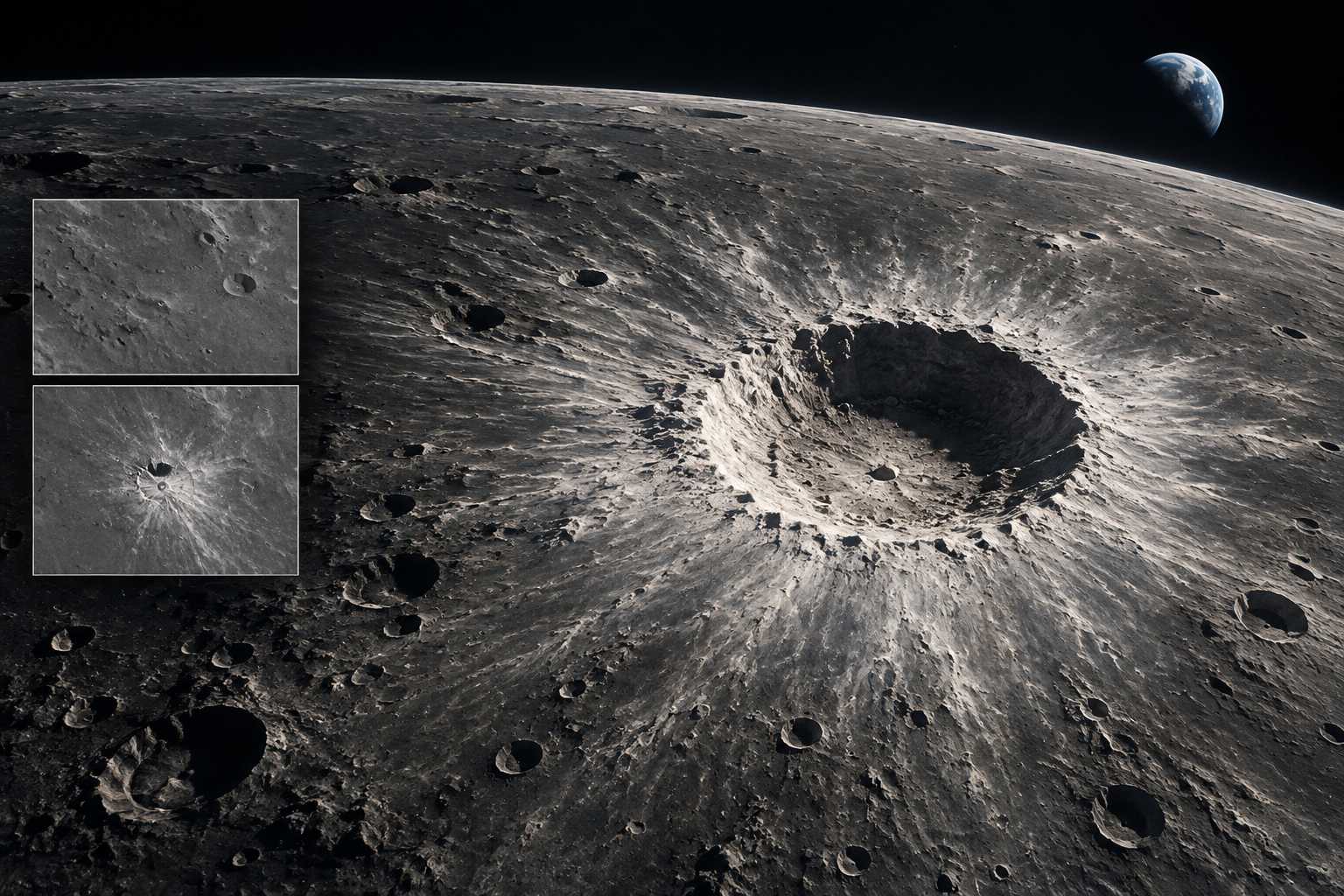
A Building-Sized Space Rock Hit the Moon. NASA Found the 728-Foot Crater in Old Images
A natural impact carved a 728-foot crater on the Moon. NASA found the fresh scar by comparing old orbital images—and discovered the blast changed the surrounding ground, too.
-
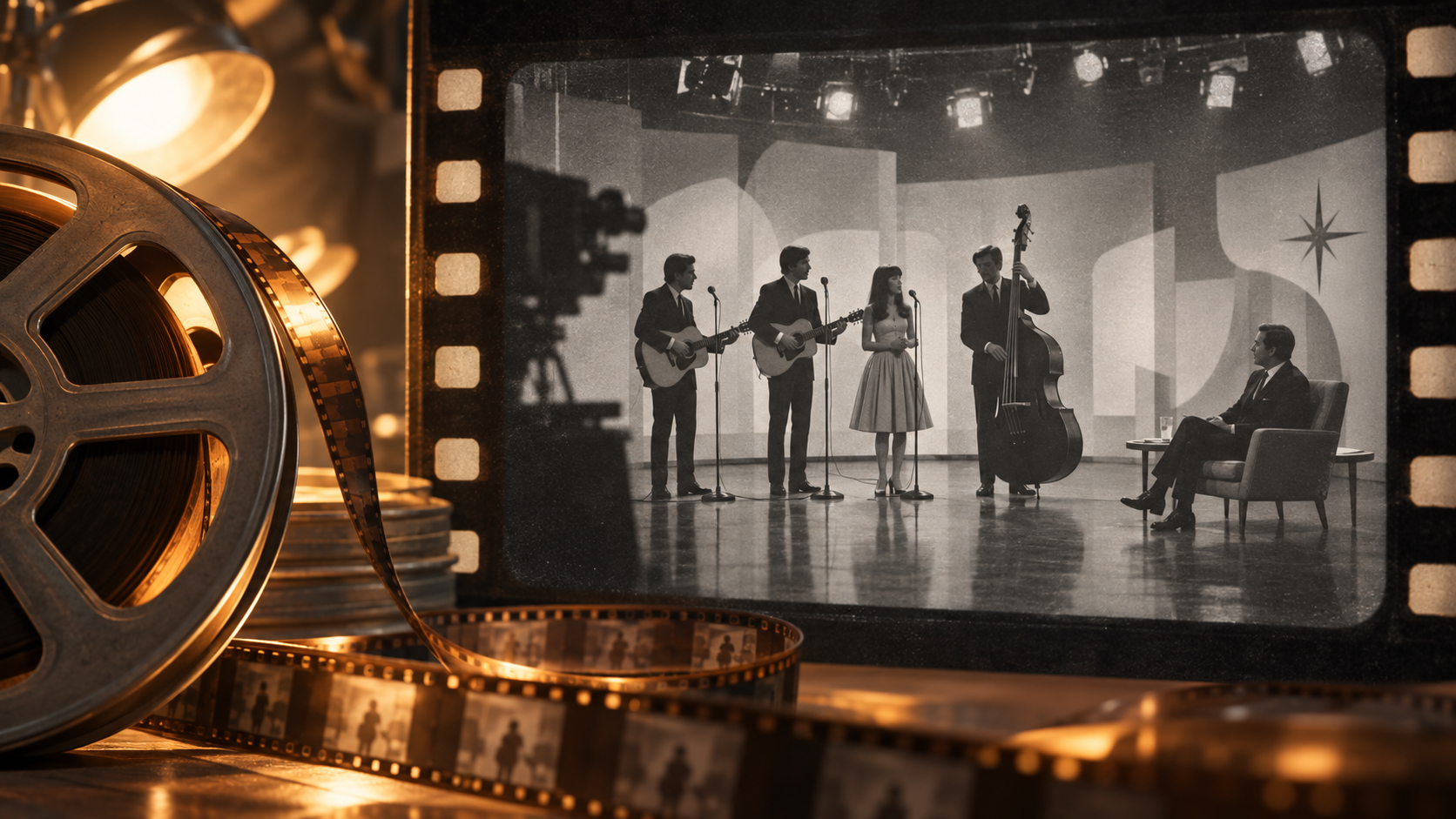
The Seekers’ First Surviving TV Appearance Was Lost for 60 Years—and Helped Launch Their UK Career
A recovered 1964 TV clip became a 16mm calling card for The Seekers in Britain. Watch the eight-minute performance that helped turn a planned visit into an international break.
-
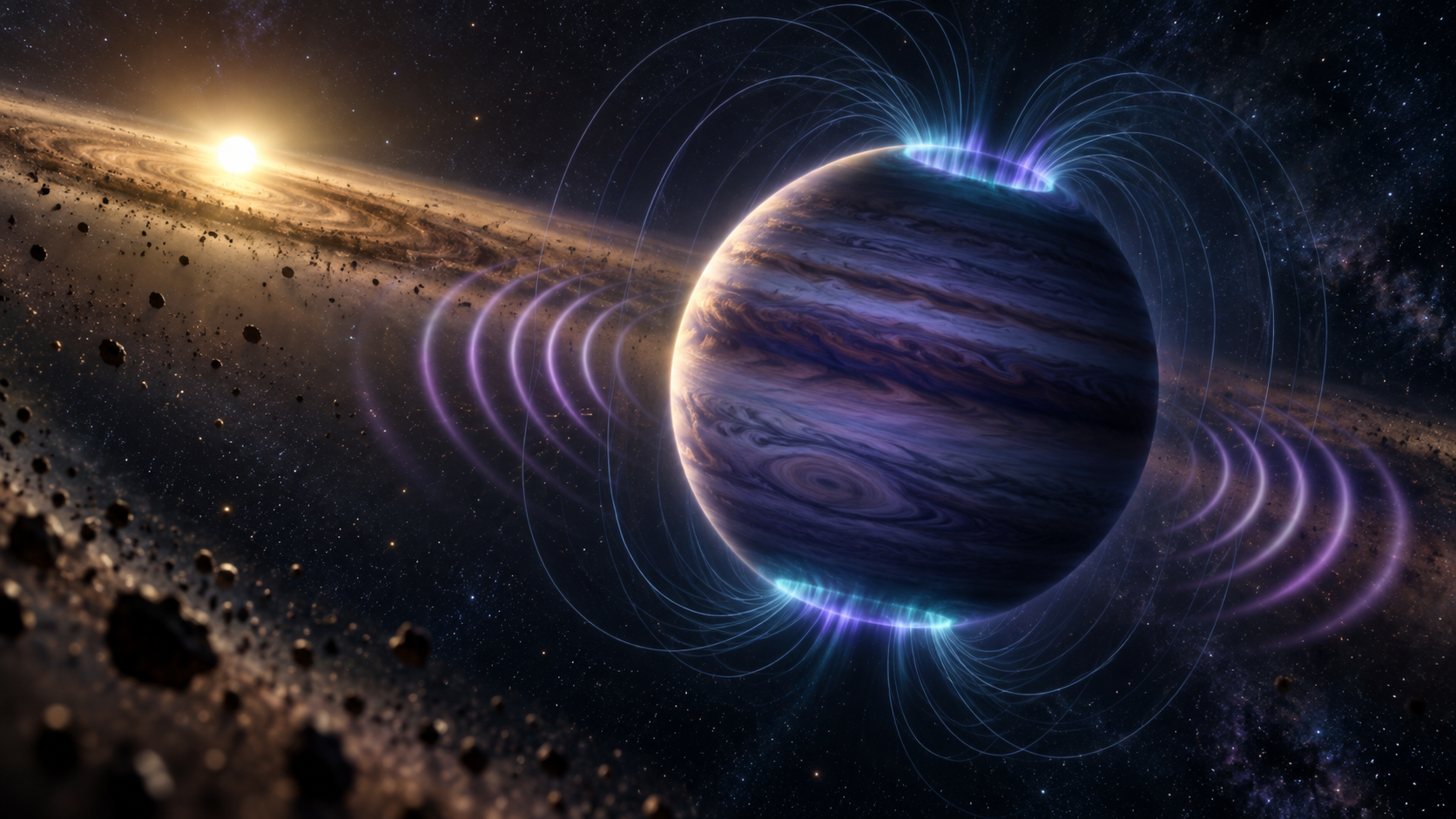
Astronomers Report Radio Bursts From an Exoplanet—and Interpret Them as Possible Auroras
A preprint reports radio bursts localized to the giant exoplanet Beta Pictoris b. The authors interpret them as likely auroral emissions tied to a magnetic field—not an alien signal.
-
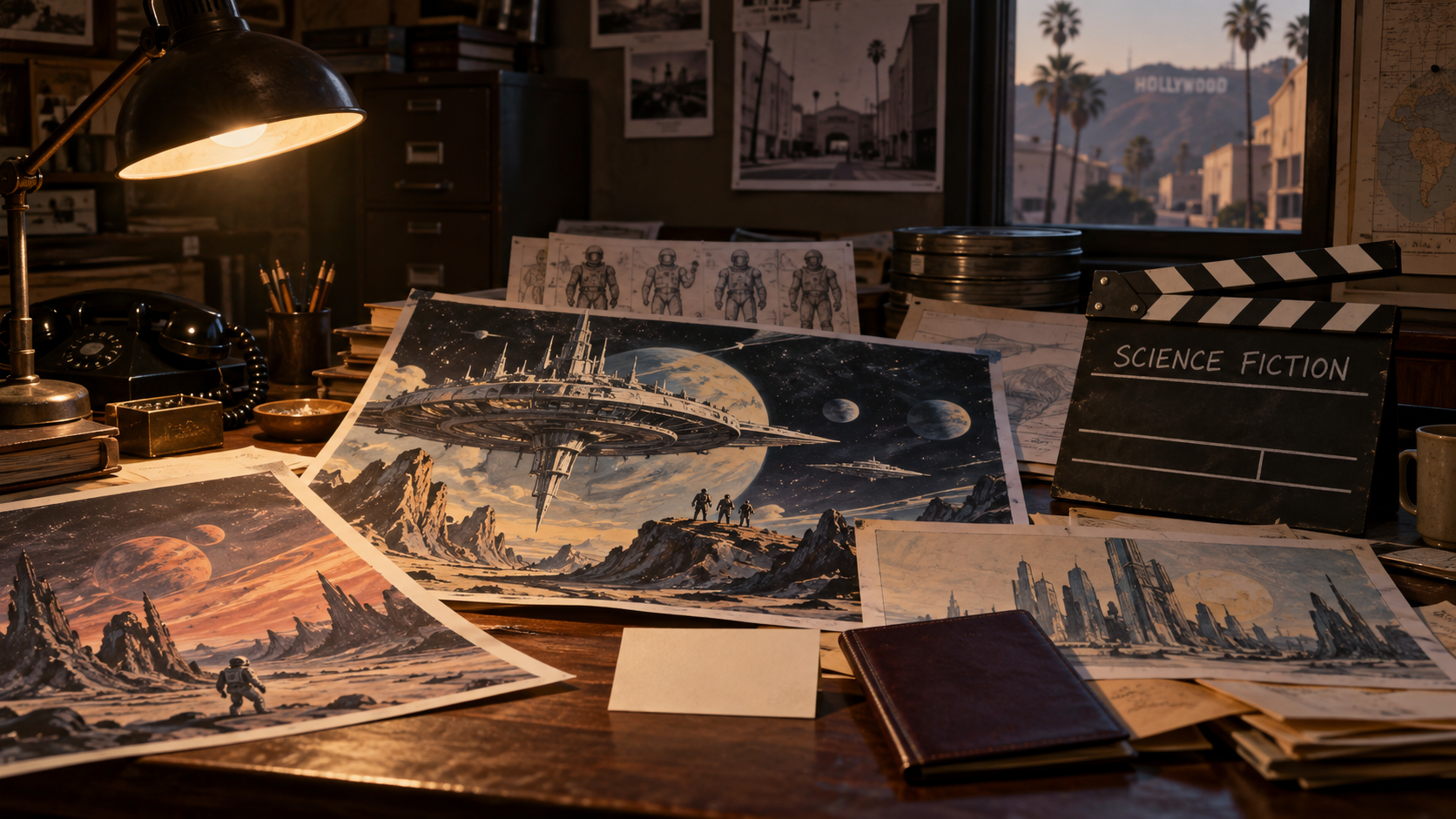
Jack Kirby’s Unmade Sci-Fi Art Helped the CIA Sell Its Fake ‘Argo’ Movie
Jack Kirby’s unused Lord of Light artwork helped the CIA sell its fake Argo movie cover during the 1980 rescue of six Americans from Iran.
-
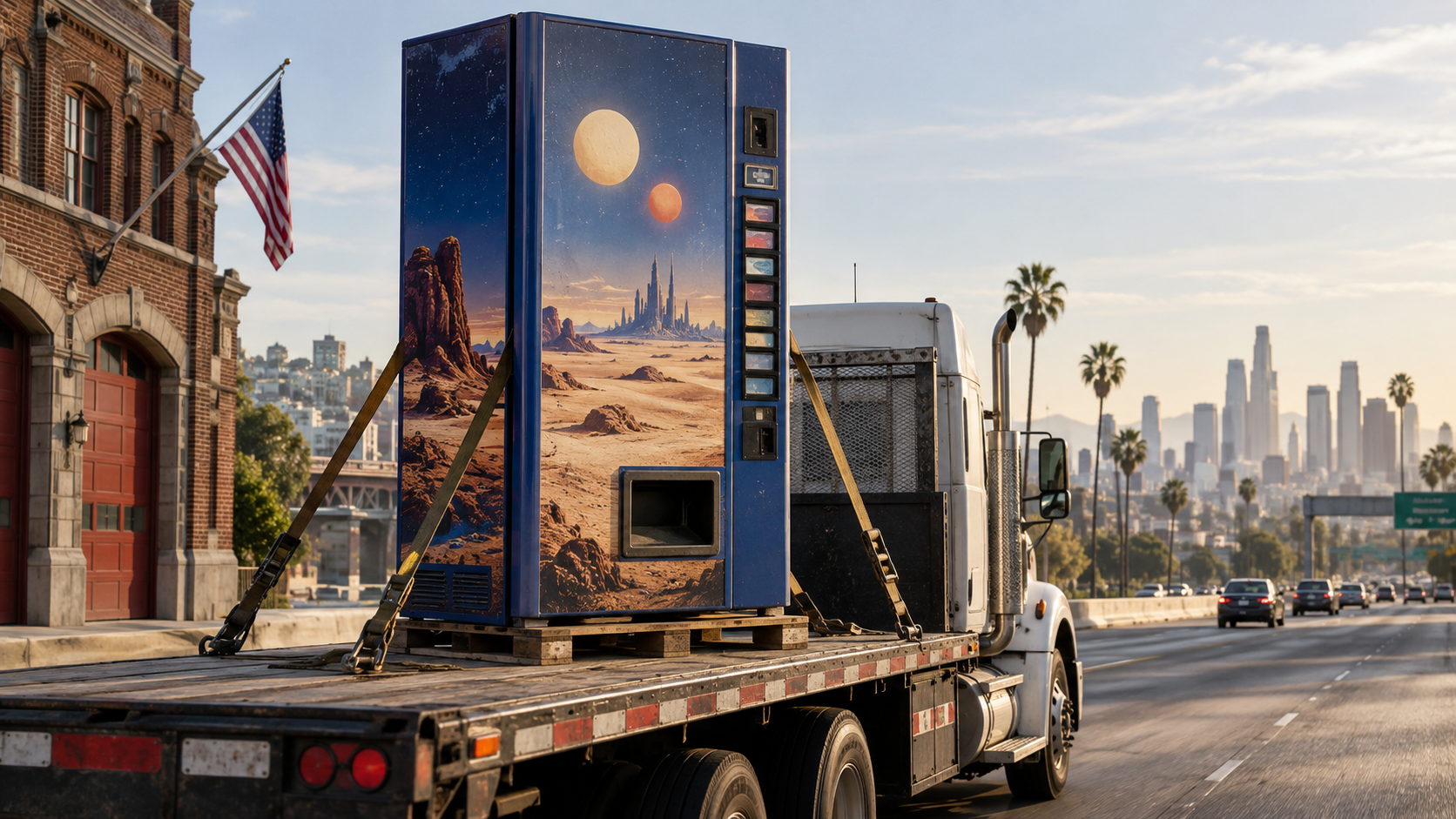
Pittsburgh’s ‘Phantom Menace’ Vending Machine Turned Up 2,400 Miles Away
The missing 1999 Phantom Menace vending machine resurfaced 2,400 miles away in Los Angeles after its creator took it on a cross-country trip.
-
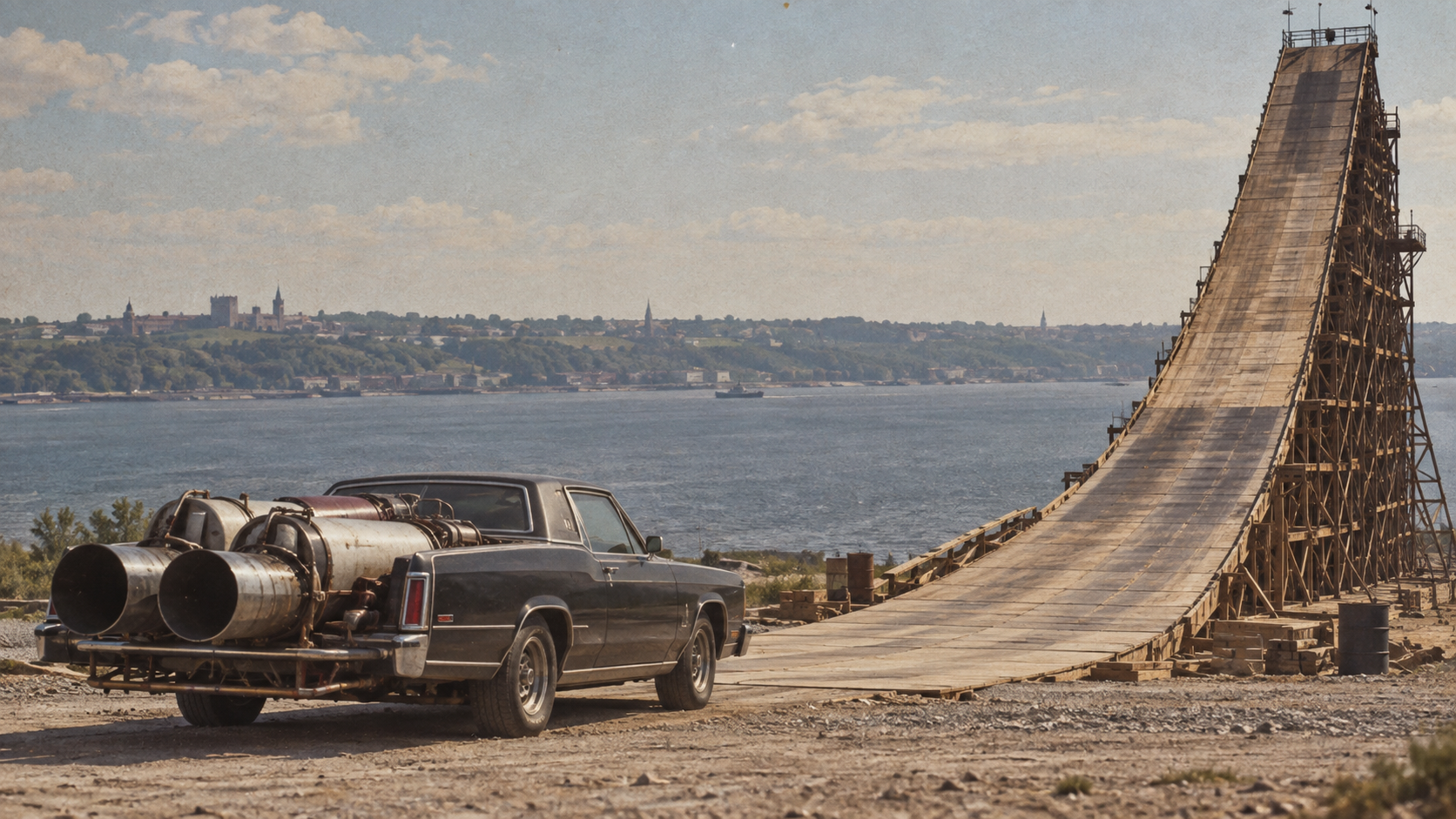
Ken Carter Built a 10-Storey Ramp to Launch a Rocket Car Across the St. Lawrence
Ken Carter spent five years and about $1 million building a rocket car and ten-storey ramp for an attempted mile-wide jump across the St. Lawrence.
-
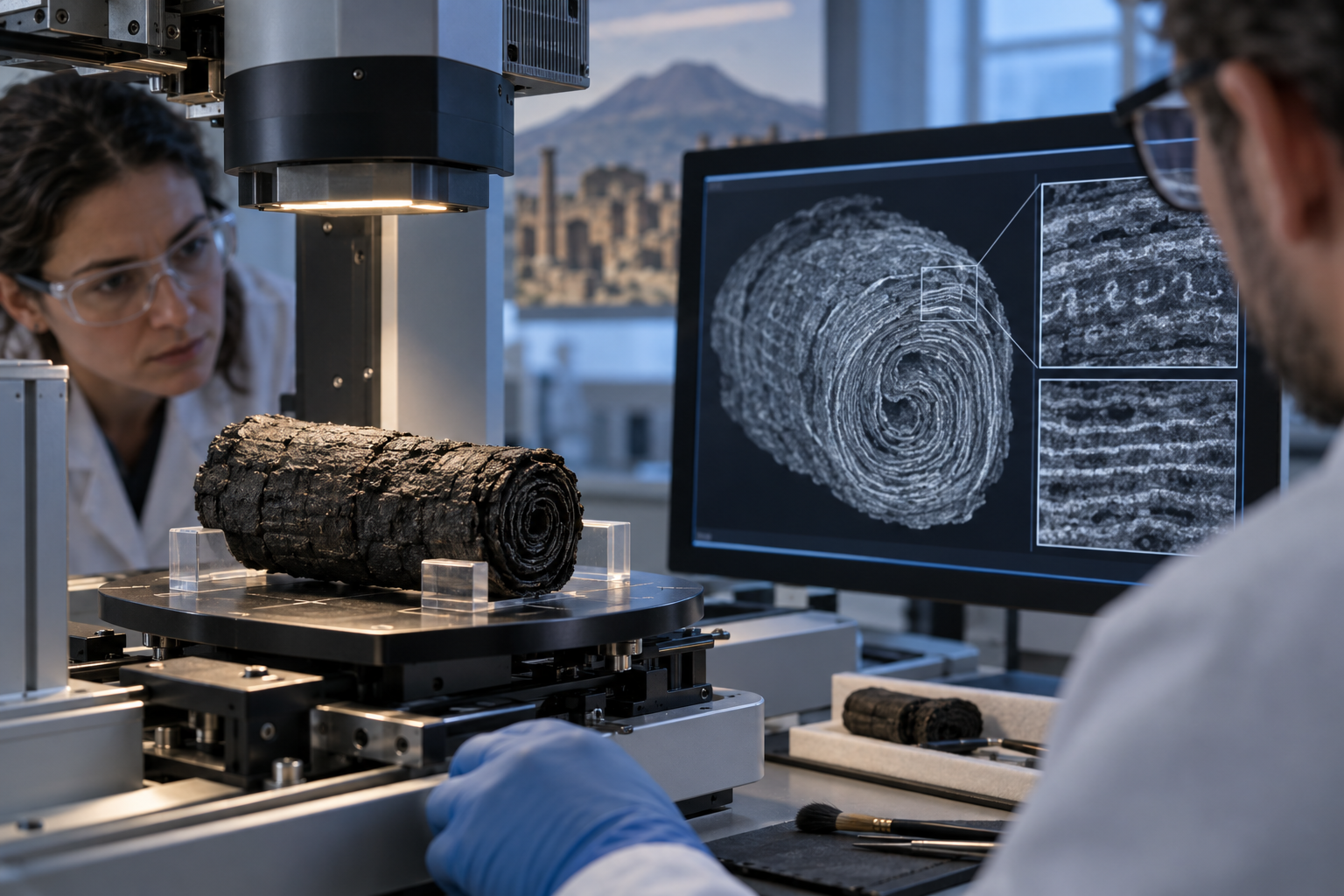
Scientists Burned Fake Ancient Scrolls to Figure Out How to Read the Real Ones Buried by Vesuvius
Researchers carbonized a modern papyrus replica, then used X-rays to read its hidden text. The experiment may help identify which fragile Herculaneum scrolls are worth scanning next.
-
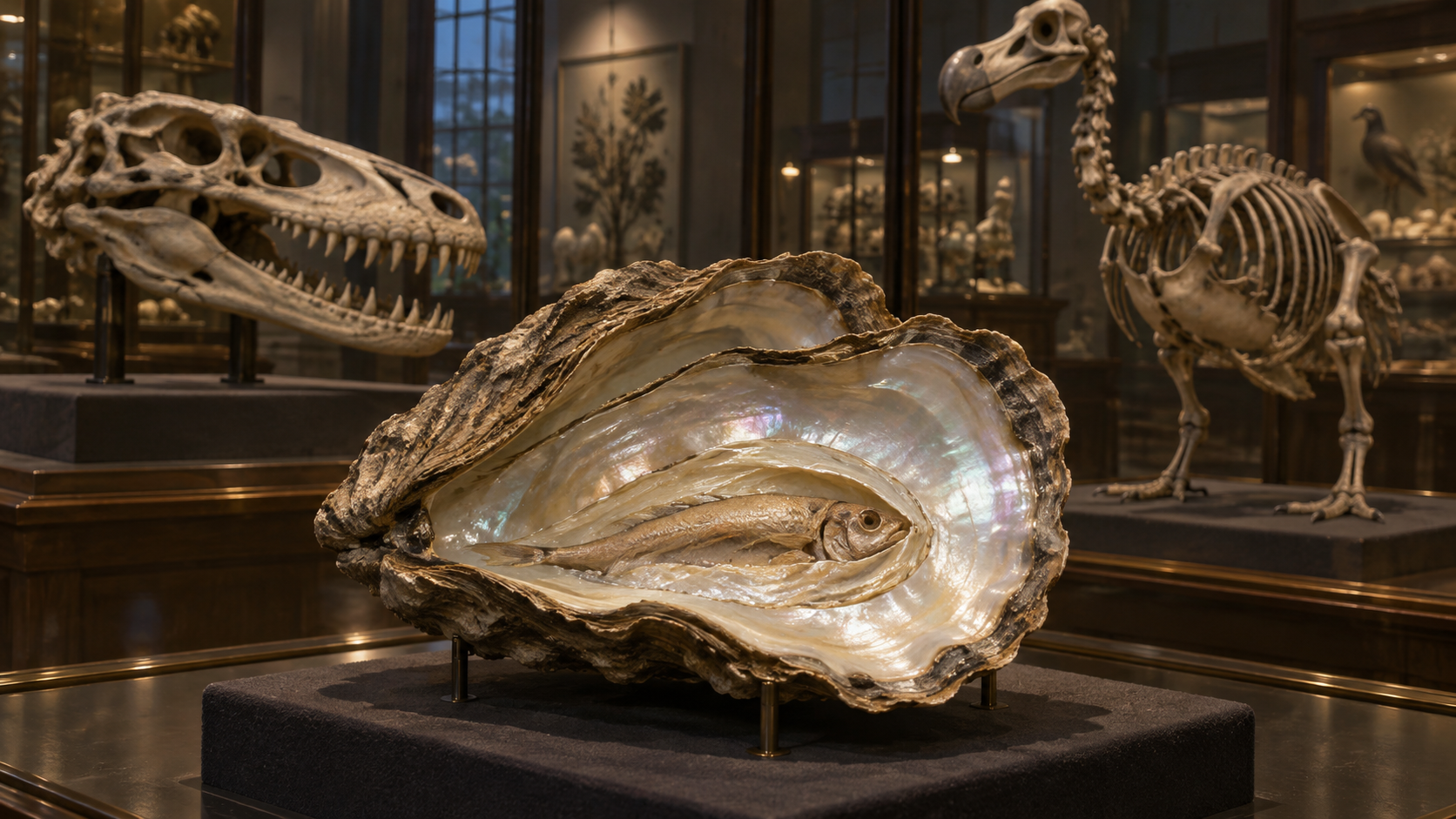
At Harvard, a Fish Mummified in an Oyster—and a Komodo Skull With a King Kong Link
Harvard’s natural-history exhibit pairs an oyster containing a mummified pearlfish with a Komodo skull tied by curators to the story behind King Kong.