









-
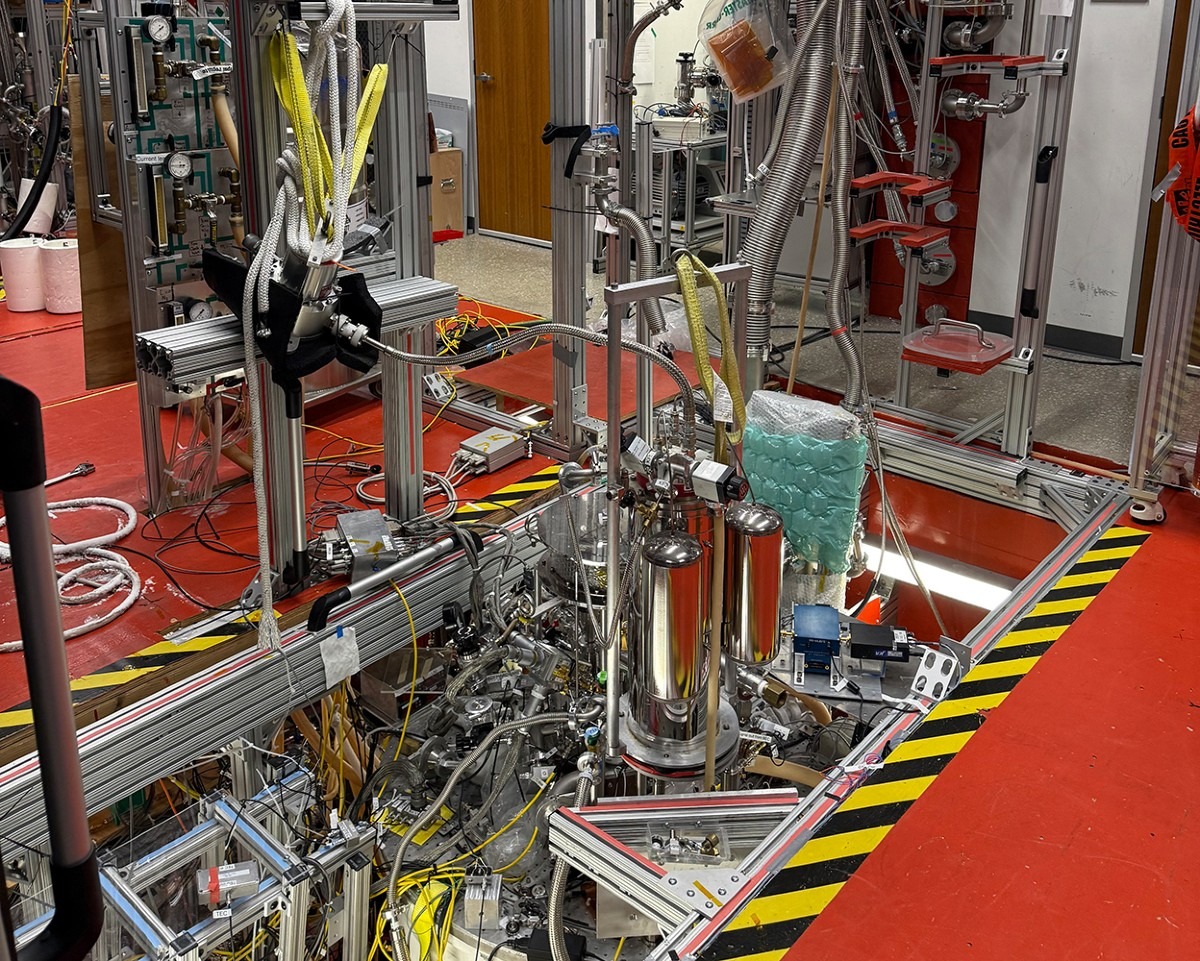
A Single Antimatter Particle Has Spent Months in a Trap It Never Touches
A single positron has survived months in a lab without touching its surroundings. Now physicists can control its quantum jumps.
-

Webb’s New N159 Panorama Catches a Stellar Nursery at Every Stage of Birth
Webb’s new N159 panorama reveals ionized bubbles, cold molecular filaments and generations of young stars forming across one neighboring-galaxy nursery.
-
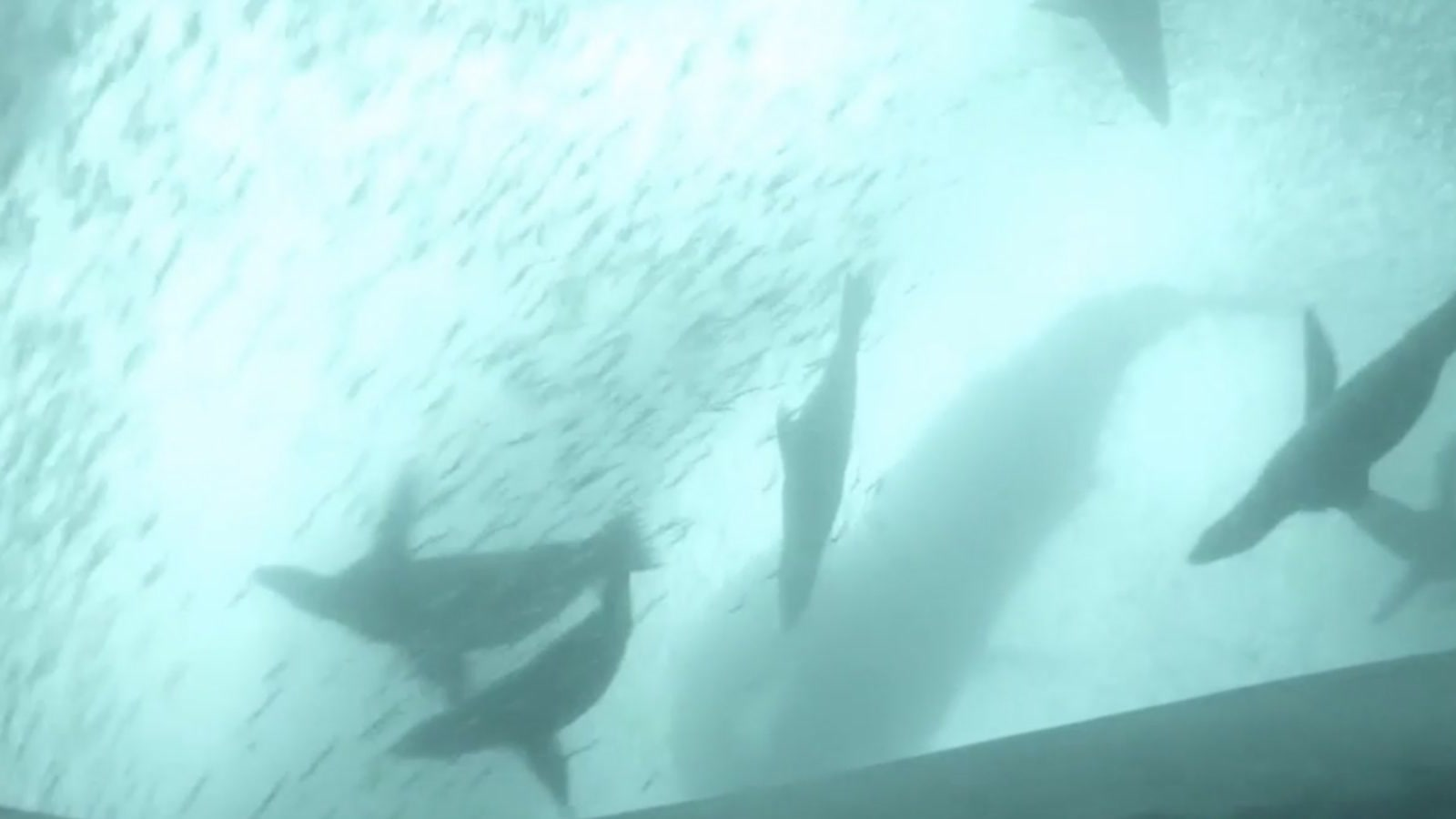
A Whale-Mounted Camera Caught Sea Lions Chasing Fish Across Its Back
Whale-mounted cameras reveal sea lions pursuing escaped anchovies across a humpback’s back, and new research suggests the crowded hunt may help whales feed faster.
-

A24’s Slayground Turns a Haunted-House Employee Into a Murder Suspect
Jeremy Saulnier’s new A24 thriller follows a scare actor who wakes beside his dead coworkers, cannot remember the night and faces a statewide manhunt.
-

Julia Stiles’s Heath Ledger Tribute Ends With a 10 Things Cast Reunion
Julia Stiles revisited the song and poem from 10 Things I Hate About You before five former castmates joined her to honor Heath Ledger.
-

Sauron Takes His Armored Form in the New Rings of Power Season 3 Trailer
Prime Video’s new season-three trailer brings dark armor, fiery battles and the promise of the One Ring’s forging.
-
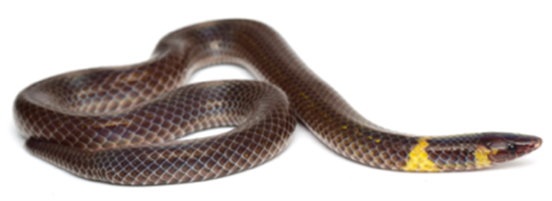
This Snake Rolls Away From Trouble While Its Head Stays Pointed Forward [Video]
Slow-motion footage reveals how dwarf reedsnakes roll rapidly without tumbling head over tail. A new study explains their unusual escape.
-

This 3,156-Pound Pumpkin Broke a World Record That Was Only a Week Old
Ron Wallace grew the first pumpkin to pass 3,000 pounds. The grower whose record he beat had even encouraged him to try a greenhouse.
-

The Oatmeal Built a Giant Evil Raccoon in His Brother’s Yard for Halloween
Matthew Inman turned Jimothy, the famously round Seattle raccoon, into Grimothy: a giant Halloween creature with glowing eyes and an alarming set of teeth.
-
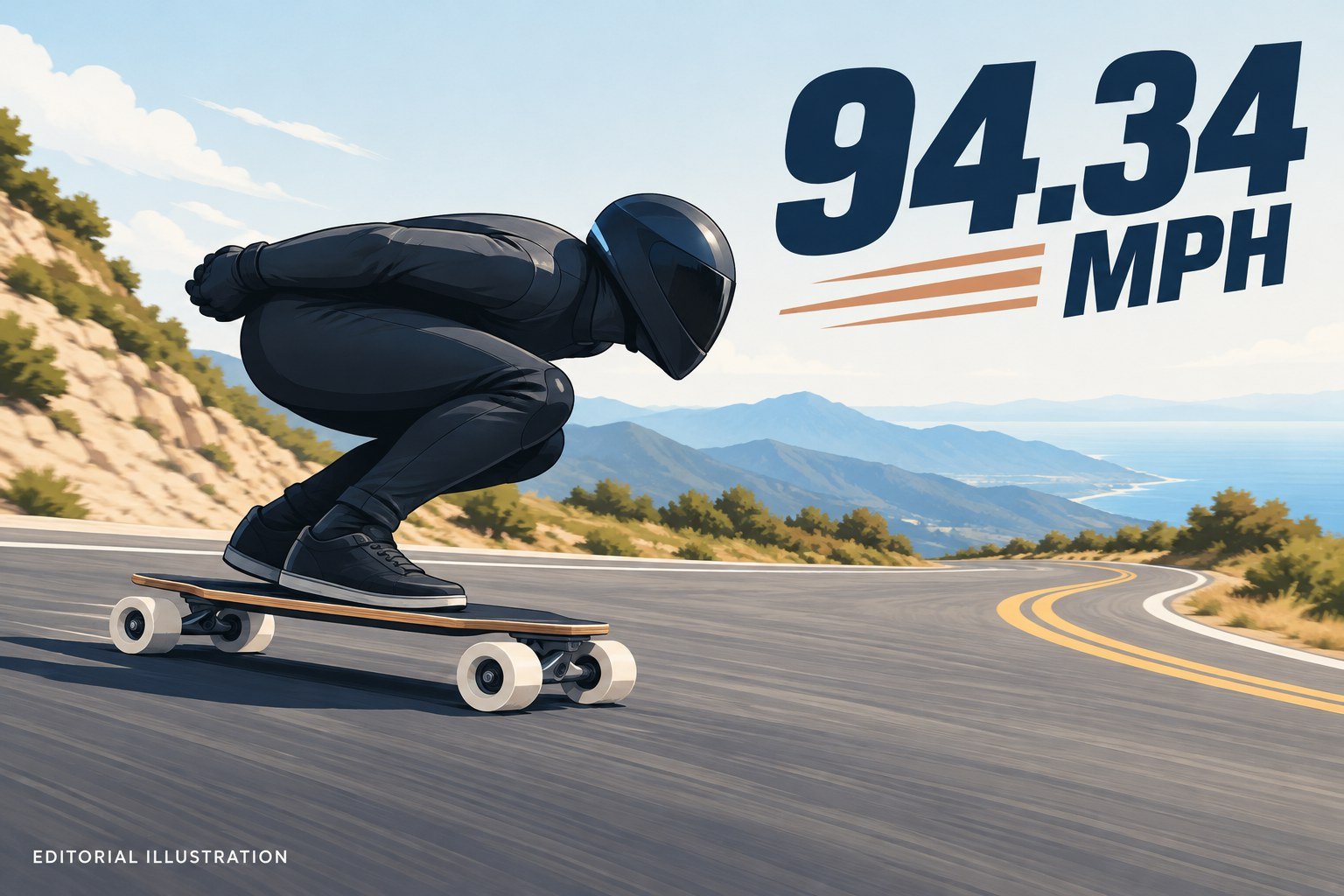
He Broke the Downhill Skateboard Speed Record, Then Went Back for 94 MPH [Video]
Diego Poncelet had already broken the standing downhill skateboard record that morning. He returned in the afternoon and reached 94.34 mph.