Christian Clot spent 40 days underground without a clock or a sunrise. When it was over, he described the experience as feeling closer to 29 days. The calendar outside had kept moving; his sense of it had not kept pace.
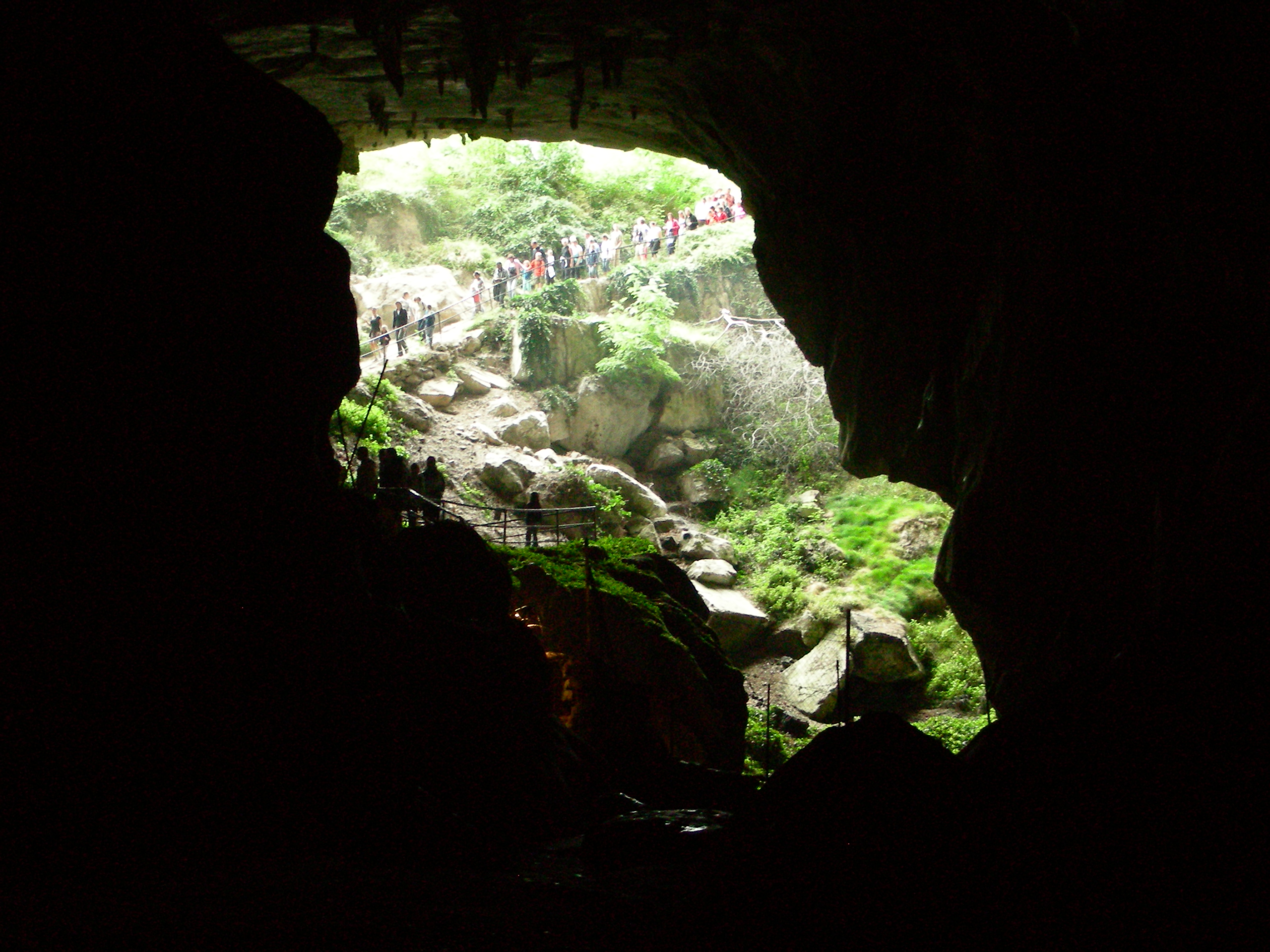
Clot was one of 15 people who emerged from France’s Lombrives cave on April 24, 2021, after the Deep Time expedition. Their voluntary isolation had cut them off from daylight, phones, family messages and news from the outside world. The project asked how people would adapt when the familiar signals dividing one day from the next disappeared.
Before departure, the participating ENS neuroscience laboratory described a camp beyond the cave’s normal visitor area. Researchers wanted to examine changes in time perception, memory, decision-making and other cognitive functions, alongside brain imaging. This was more than an endurance challenge: daily life inside the cave was part of the investigation.
Clot’s own account of the project emphasizes the group. The volunteers came from different working lives, including teaching, biology and jewelry-making. They needed to function together in an unfamiliar environment without the shared timetable that normally makes arranging a meal or meeting almost automatic.
Breakfast for one person, bedtime for another
The practical setup was demanding. According to the European Commission’s contemporary summary, participants slept in tents, generated electricity with a bicycle-powered system and drew water from a well. Equipment and provisions had been brought inside. They had artificial lighting, but no daylight to signal morning or evening. Calling it 40 days in total darkness would miss that distinction.
In a May 6, 2021 interview with WBUR’s Here & Now, Clot described a rule against waking other participants. People followed their own sleep rhythms. He sometimes found himself eating breakfast while someone else was having lunch or preparing for bed.
That mismatch made cooperation awkward. The group still had work to do, but could not simply agree to gather at a particular hour. Clot described them gradually spending more time together as the expedition continued. His roughly 29-day impression was a personal account of the experience, not a measurement showing that every participant perceived an identical number of days.
Some wanted to stay. One had urges to leave.
The reactions outside were strikingly different. In Associated Press reporting from their emergence, expedition guide Marina Lançon welcomed the wind and birdsong but wanted to ease back into using her smartphone. Math teacher and sailing instructor Johan Francois described powerful urges to leave during the stay. He had run laps underground to keep fit.
AP also reported that at least one participant estimated the stay at 23 days. A researcher involved in the expedition said two-thirds wanted additional time underground to finish their group projects. The same cave could feel restrictive, absorbing or unexpectedly freeing, depending on the person and the moment.
What the experience can actually tell us
The project’s scientific ambitions were broader than asking people to guess the date. Clot’s account says dozens of protocols were carried out before, during and after the isolation, examining individuals as well as the group’s ability to coordinate. His description presents the expedition as a way to investigate adaptation in a real environment rather than a conventional laboratory.
Those ambitions should be kept separate from demonstrated conclusions. The ENS announcement described planned investigations, not final proof that a particular part of the brain had changed. Participants’ recollections tell us how the stay felt; they do not establish a universal replacement for the 24-hour day or show that everyone would respond the same way.
For Clot, returning to the surface brought another adjustment: resuming schedules and obligations. The expedition’s most relatable question survives the cave exit. If no clock told you when to eat, sleep or meet someone, how would you and the people around you build a day?