


-
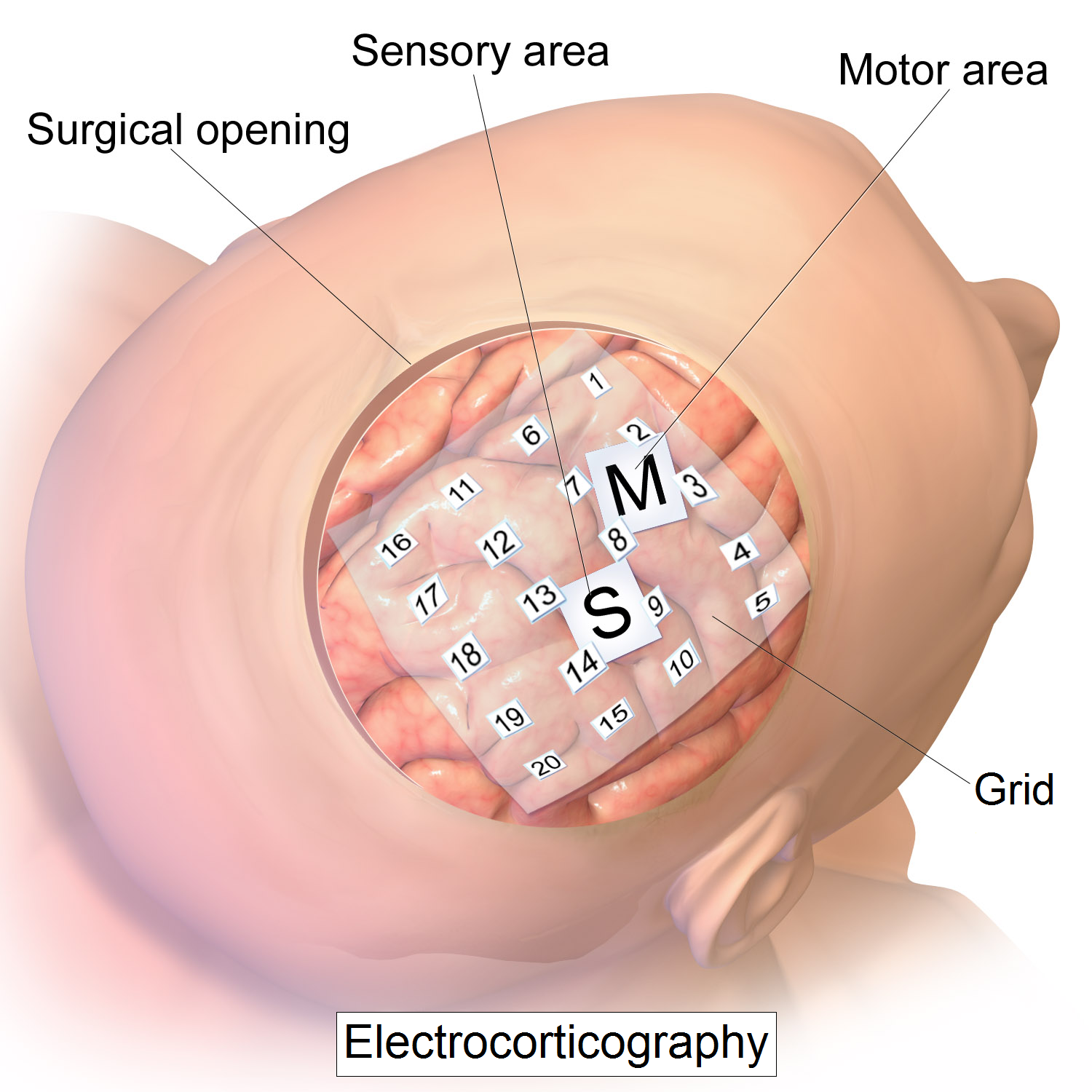
She Lost Her Voice After a Stroke. An Implant Helped Her Hear a Familiar One Again.
Ann Johnson helped researchers turn attempted speech into a synthetic voice modeled on her own. The achievement was real, but it remains experimental.
-
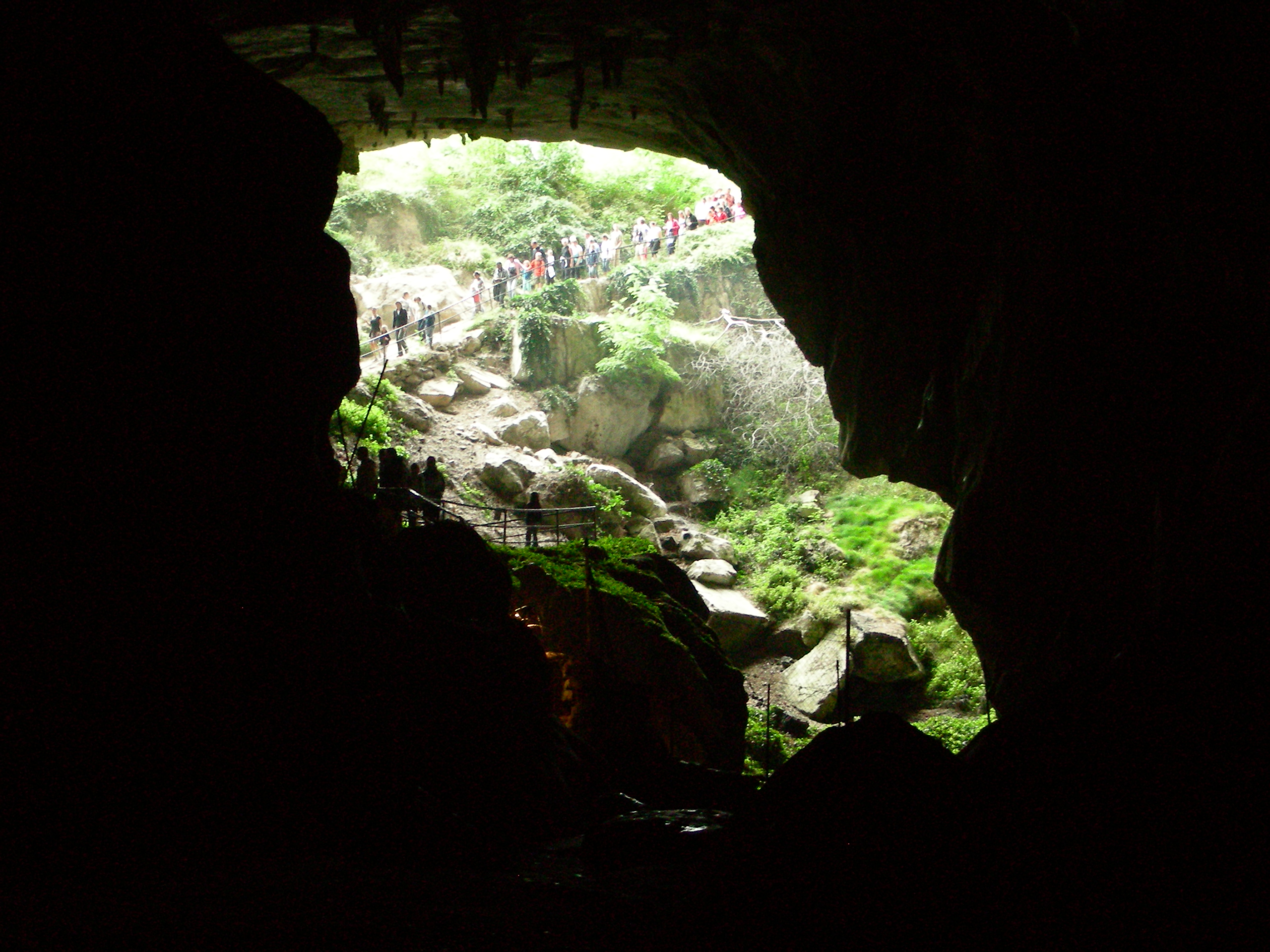
They Spent 40 Days Underground. Their Leader Said It Felt Like 29.
Fifteen volunteers lived without clocks or daylight in a French cave. Their accounts reveal how differently time could feel underground.
-
She Noticed a Change in Her Husband’s Smell. It Became a Parkinson’s Research Lead.
Joy Milne noticed a change in her husband’s smell years before his Parkinson’s diagnosis. Researchers turned that observation into studies of skin chemistry.
-
The Frogs Vanished. Museum Jars Held Clues to Their Killer.
Preserved frogs helped researchers reconstruct a mysterious die-off in Brazil, and returning to the forest revealed an unexpected recovery.
-
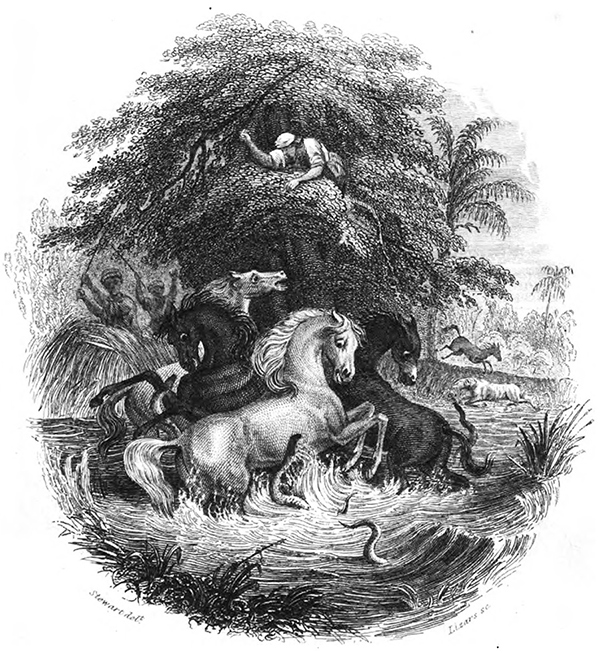
Electric Eels Leap Out of the Water to Deliver a Stronger Shock
Laboratory experiments reveal how a defensive leap directs an electric eel’s shock through its target.
-
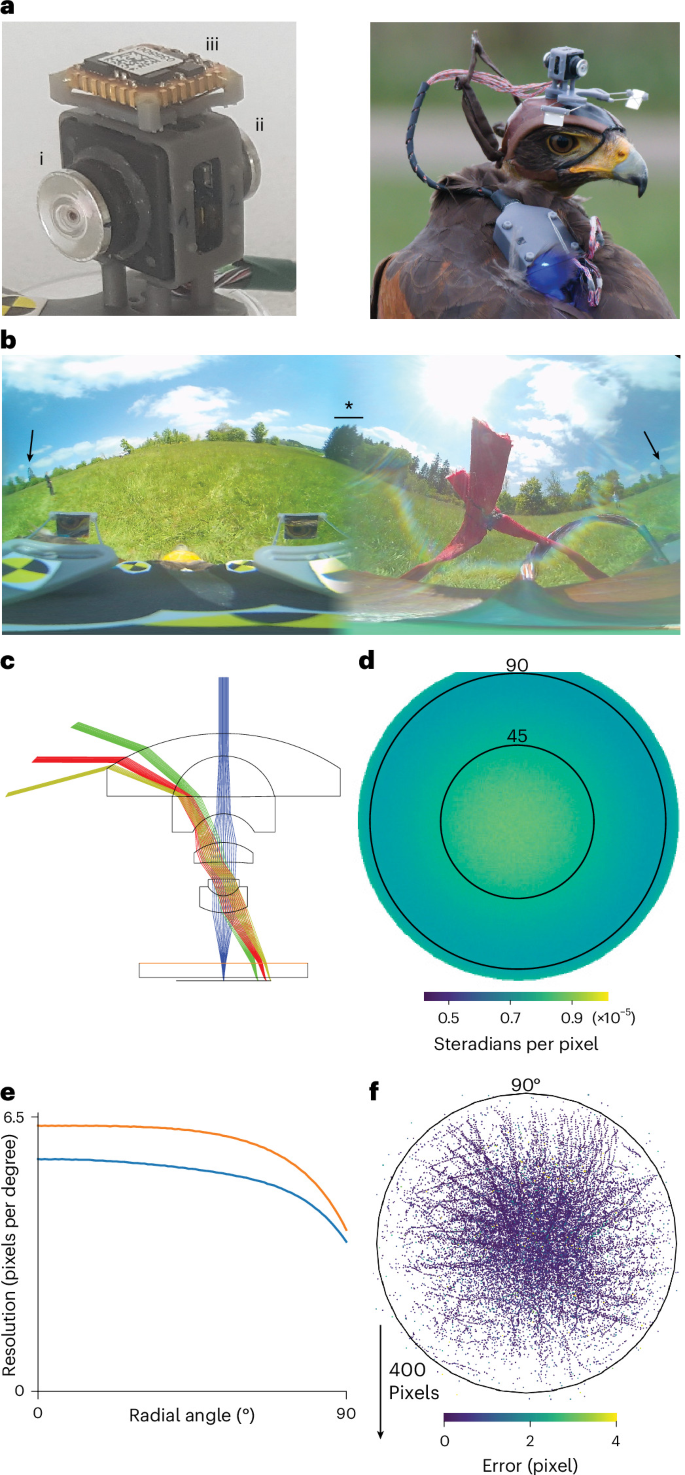
A Tiny Camera Reveals How Hawks Keep Their Target in Sight
Tiny head-mounted cameras reveal how two trained hawks track airborne targets and change their head movements after the catch.
-
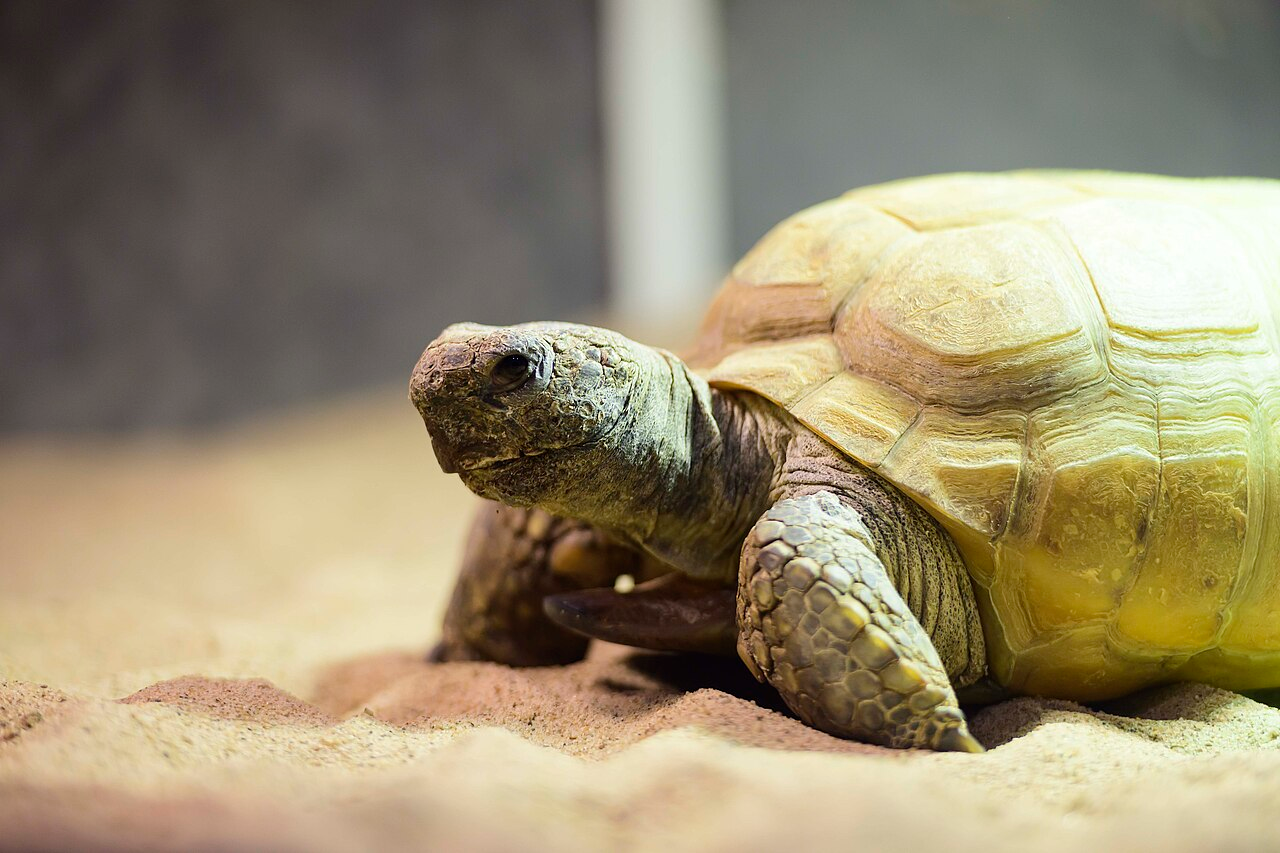
A 104-Year-Old Tortoise Started Eating Again—and His Keepers Could Barely Contain Their Excitement
Gus, Halifax’s 104-year-old gopher tortoise, has started eating again after surgery. For his keepers, a bite of banana was a major recovery milestone.
-
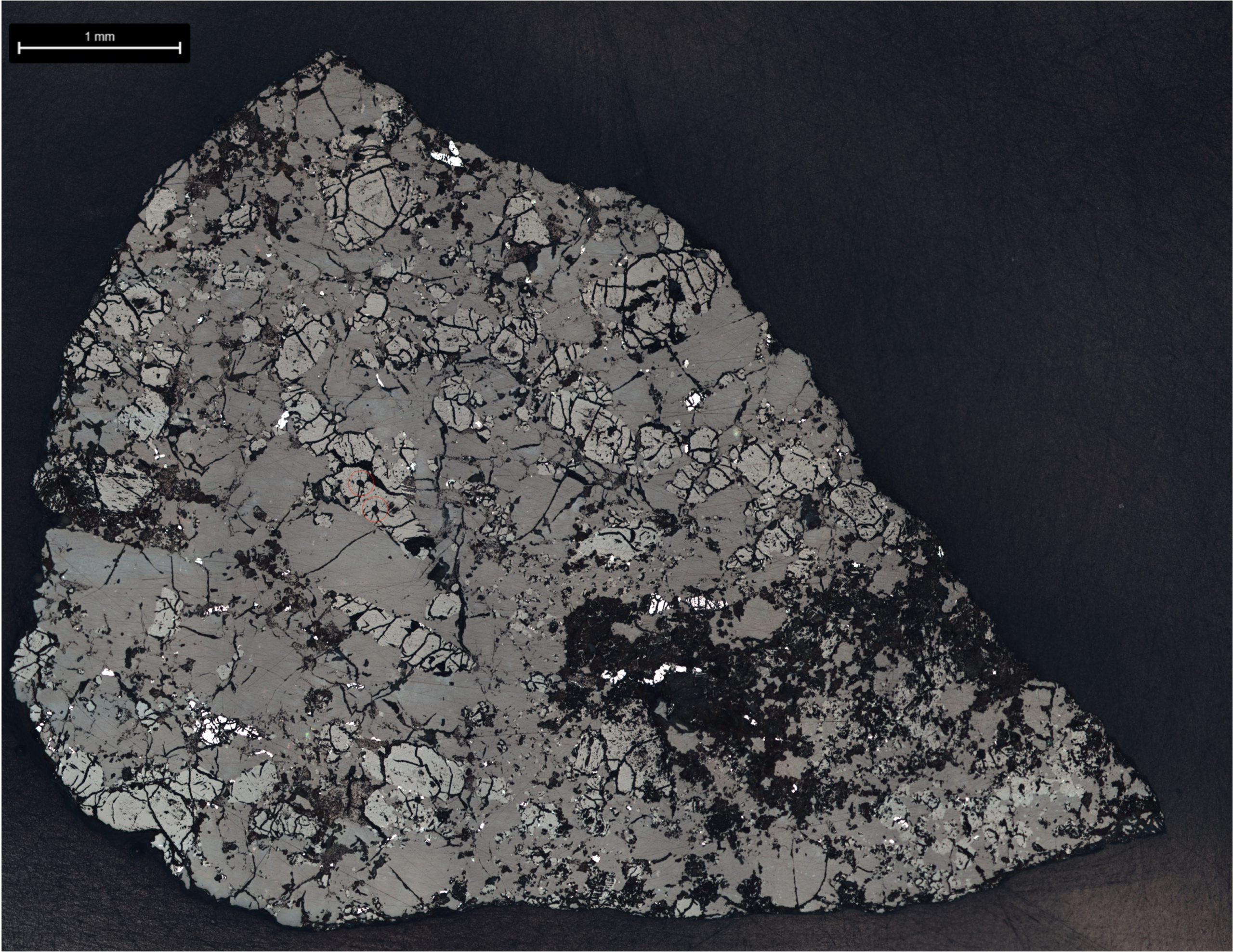
Scientists Nearly Passed on This Mars Rock—Then It Turned Out to Be 4.1 Billion Years Old
Teghaza 001 looked like a routine Mars meteorite. Then scientists found a 4.1-billion-year-old crust sample altered by ancient Martian water.
-
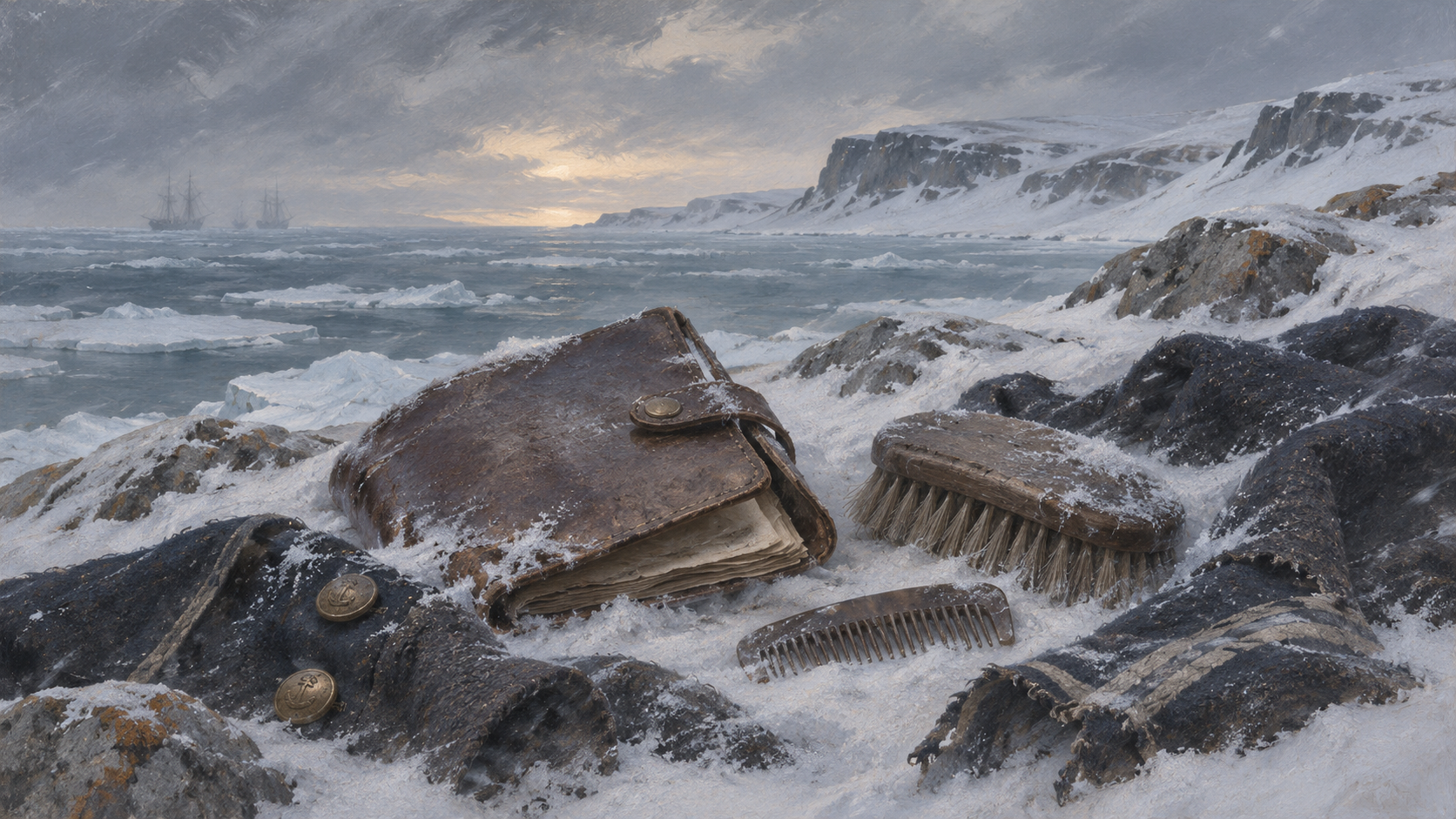
His Papers Named Harry Peglar. His Clothes Suggested Someone Else. DNA Finally Weighed In.
A leather pocketbook tied a long-lost sailor to Harry Peglar, but his clothing suggested another identity. A 2026 DNA study has now resolved the contradiction while leaving the expedition’s wider mysteries open.
-
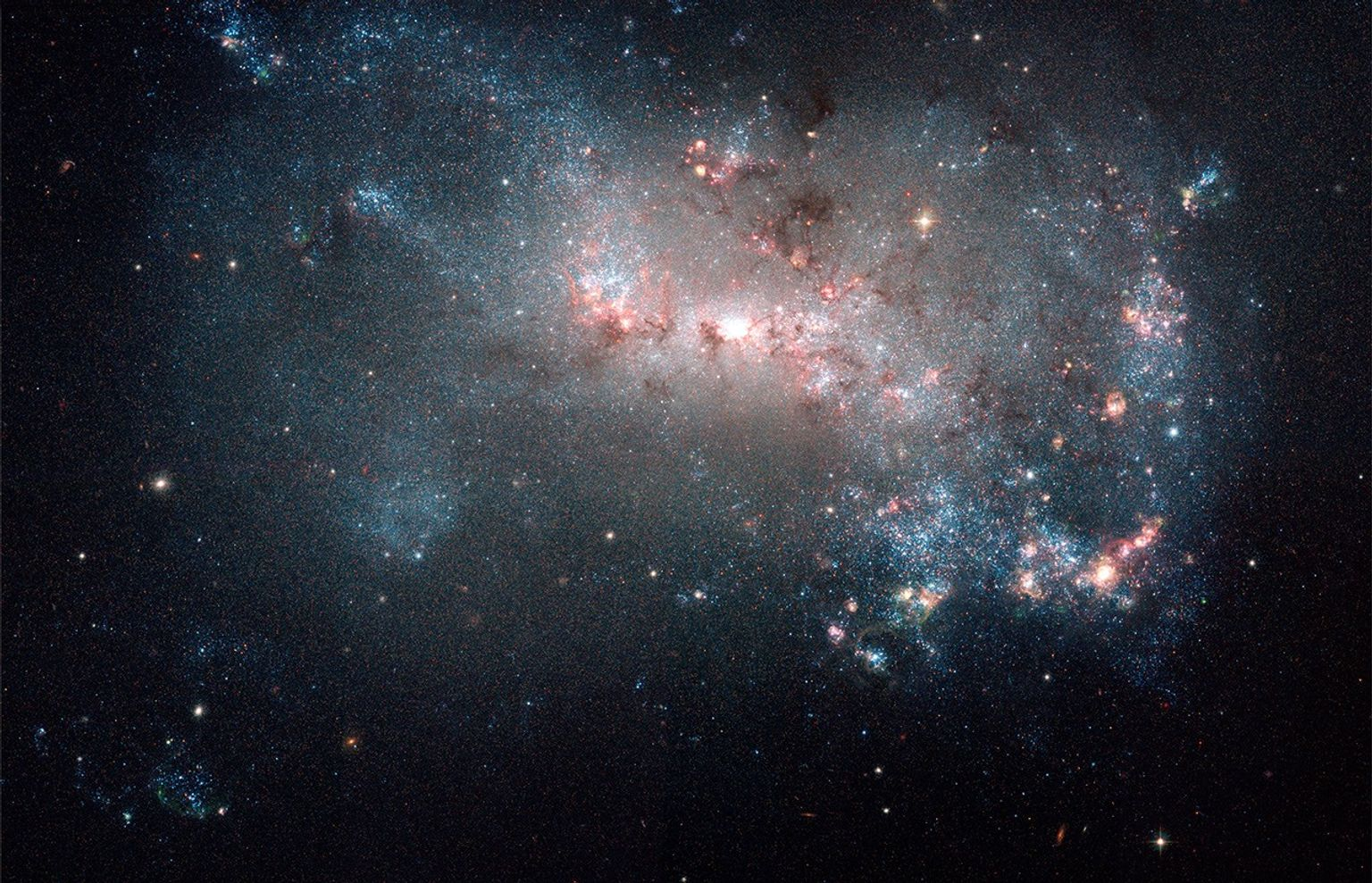
These Galaxies Made Their Own Oxygen. On Average, Only 11% Stayed Behind.
A census of 37 dwarf galaxies found that most of the oxygen their stars produced is missing. The mystery is how far it traveled.