
A Cupboard in Pompeii Held 24 Tiny Charms. The Cloth Pouch Was the Bigger Clue.
Tiny hands, feet, and pinecones survived the eruption. So did traces of the pouch that may explain why they were scattered inside one cupboard.
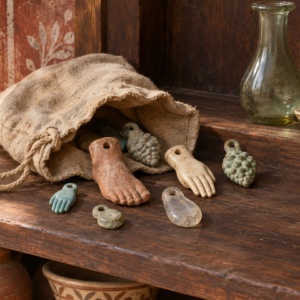
Tiny hands, feet, and pinecones survived the eruption. So did traces of the pouch that may explain why they were scattered inside one cupboard.
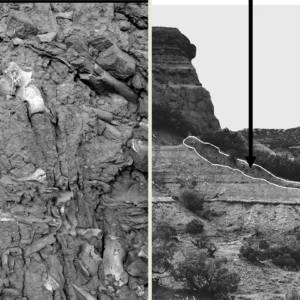
Rick and Susan Day were scouting a geology outing when a cliffside full of bones pointed to a much bigger story.
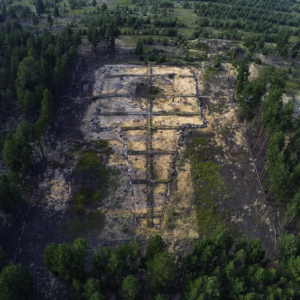
Tomb 160’s possible Roman glass, Han-inspired jade and Korea-linked horse ornaments trace a 2,000-year-old exchange network—but the cup’s origin still awaits testing.
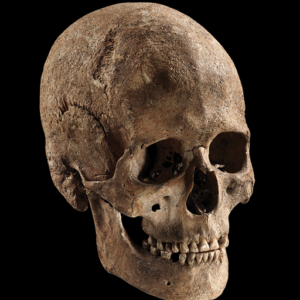
A 6,000-year-old Danish skeleton preserved a dietary timeline showing how one coastal hunter-gatherer’s life changed as farming arrived.
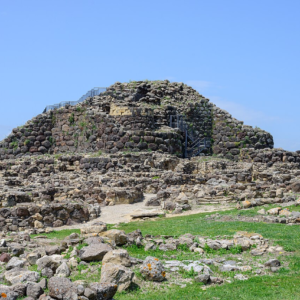
An AI flagged likely Bronze Age tower sites in Sardinia. Archaeologists checked 24 locations—and found six probable unrecorded sites plus revealing false alarms.
A 1,700-year-old frog graveyard near Cambridge puzzled archaeologists for a decade. Bone damage, frog ages, and landscape clues point to an owl feast.
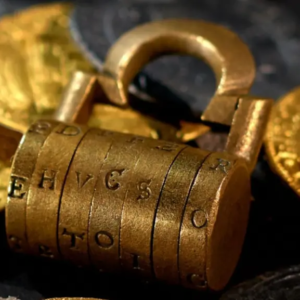
A micro-CT scan exposed the hidden notches inside a brass combination lock from the 1583 Ann Francis wreck, revealing the four-letter code ANCE.
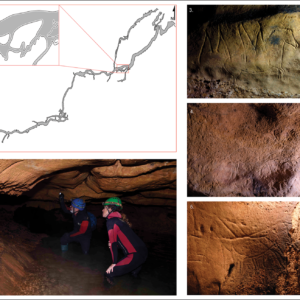
A new study documents 280 motifs in a Spanish cave whose visitors overlooked prehistoric engravings for decades.
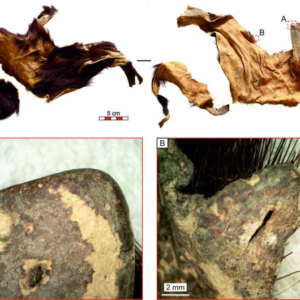
A battered piece of leather from a Spanish cave preserved enough DNA to connect a Neolithic goat with breeds alive today.
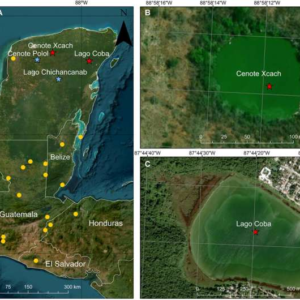
Sediment cores from Lago Cobá and Cenote Xcach reveal centuries of extreme mercury contamination linked to cinnabar and a collapse across aquatic food webs.