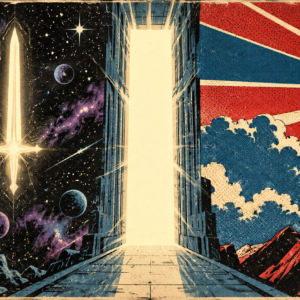
Superman is going back to the beginning, but DC is not treating the beginning as a safe place. Superman: The Stranger, a six-issue Black Label series by Wes Craig, returns readers to the first days of the Man of Tomorrow in an Art Deco-inspired 1938 Metropolis.
The immediate surprise is the mature-rating context. The series draws on the visual language of Golden Age comics and Fleischer cartoons while carrying DC’s Ages 17+ descriptor. The familiar icon is being placed inside a version of Metropolis that promises more danger than a simple period costume.
Why 1938 matters
Superman’s earliest stories were direct. He confronted corrupt power, protected ordinary people and moved through a city that looked modern while still feeling unstable. Craig’s setting makes that tension visible: the architecture can be glamorous while the institutions inside it are rotten.
That is different from merely retelling an origin. The point is not to repeat how Superman got his powers. It is to ask what the symbol meant before decades of continuity made every decision carry a footnote.
The mature label changes the reader’s expectation
DC has not described every adult element, so speculation should not be presented as fact. The label does establish a promise of tone. Readers are being invited to see a version of Superman built for sharper violence, moral pressure or unsettling imagery than the all-ages default.
The interesting question is whether the darker approach reveals something about the hero or simply makes the setting louder. Superman can survive a brutal world without becoming brutal himself; that contrast is the character’s engine.
Fleischer shadows and modern choices
The Fleischer influence supplies a strong visual payoff. Those cartoons made Superman feel monumental through shape, light and movement. Craig’s modern reinterpretation can borrow that clarity while using Black Label’s freedom to make the city more psychologically threatening.
DC’s official announcement confirms the six-issue series, its setting and its rating. The rest is the creative test. If the book preserves the old sense of responsibility while changing the atmosphere around it, the result could feel like a discovery rather than a grim remix.
Sources: DC announcement; DC Superman history; DC Comics.